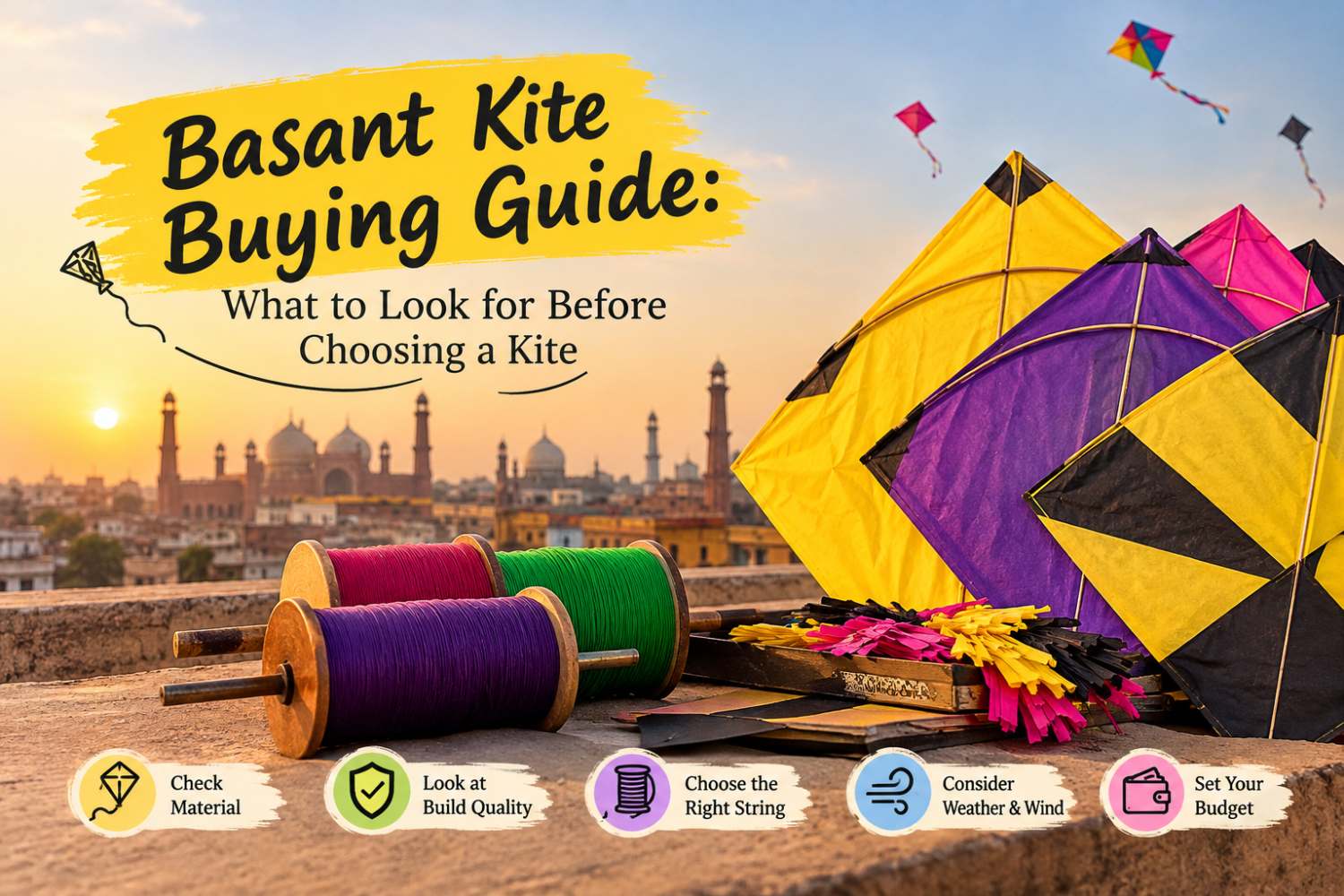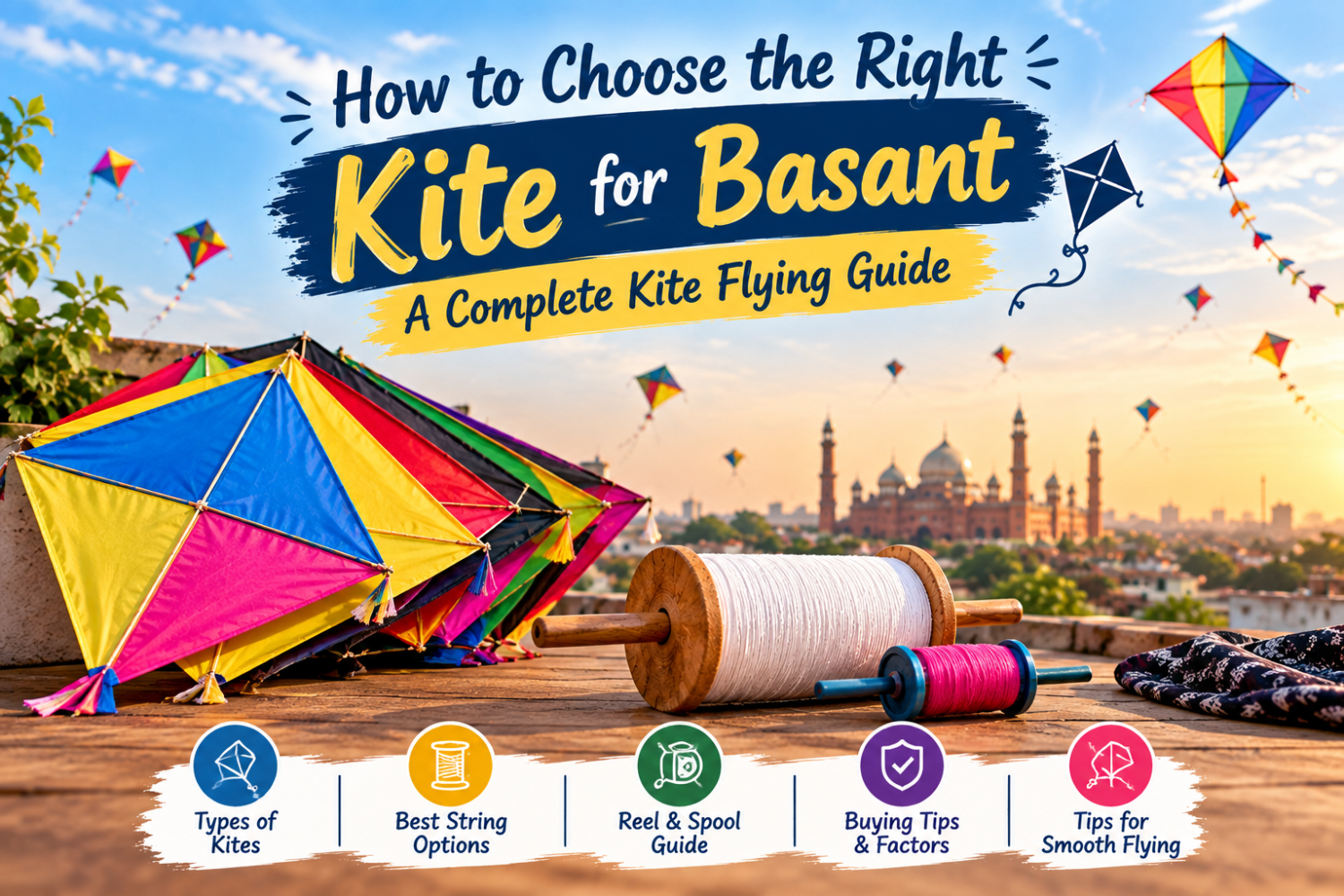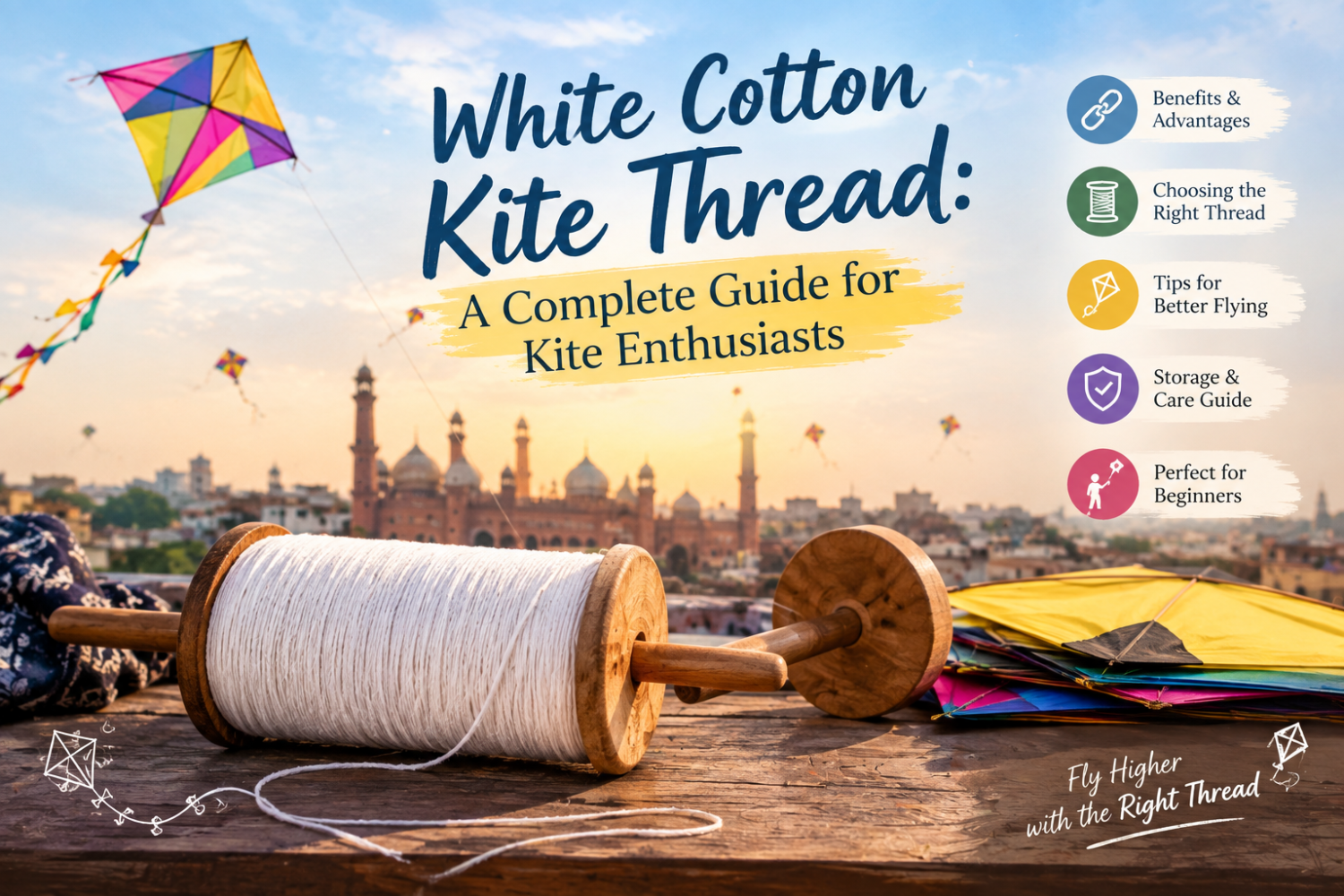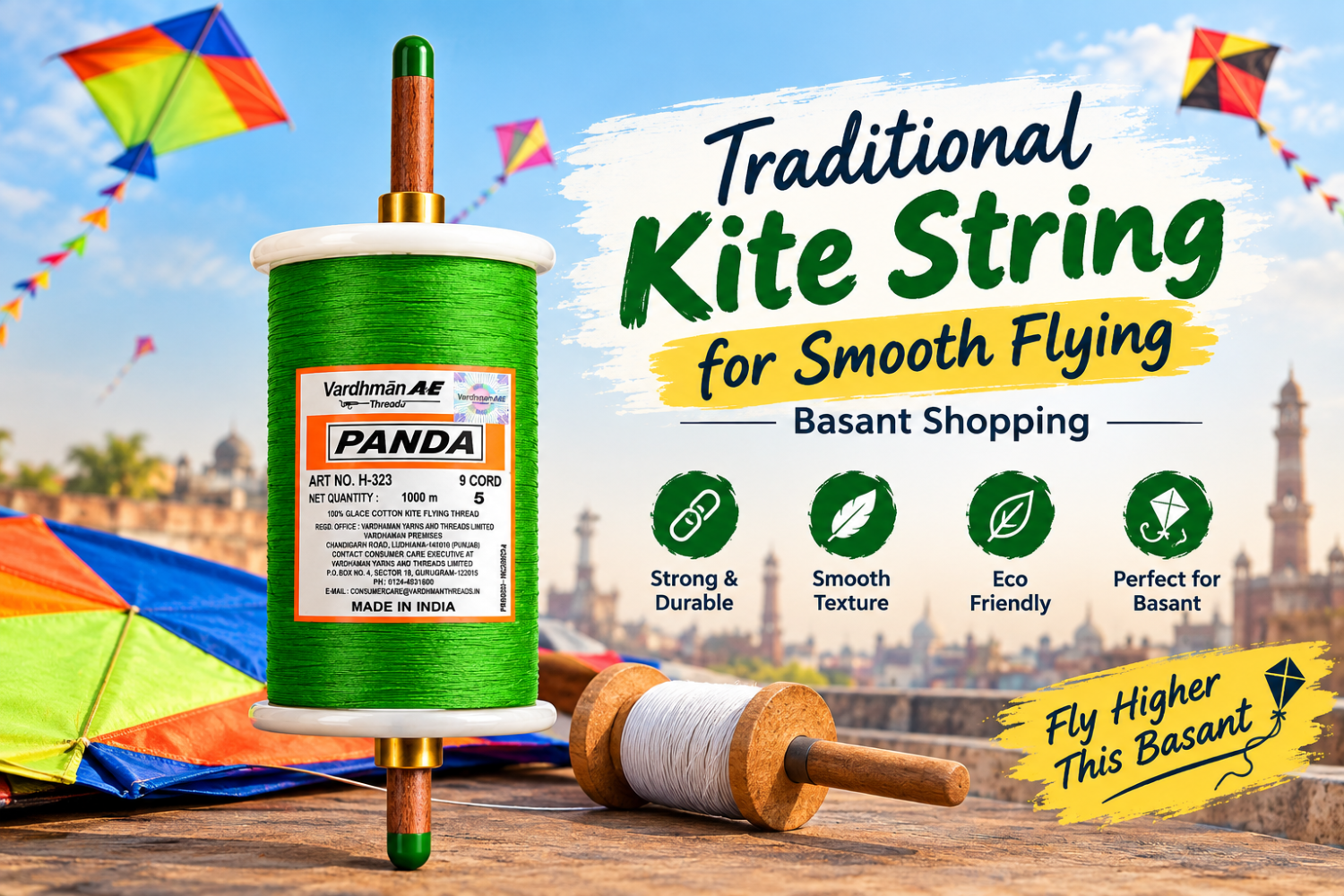

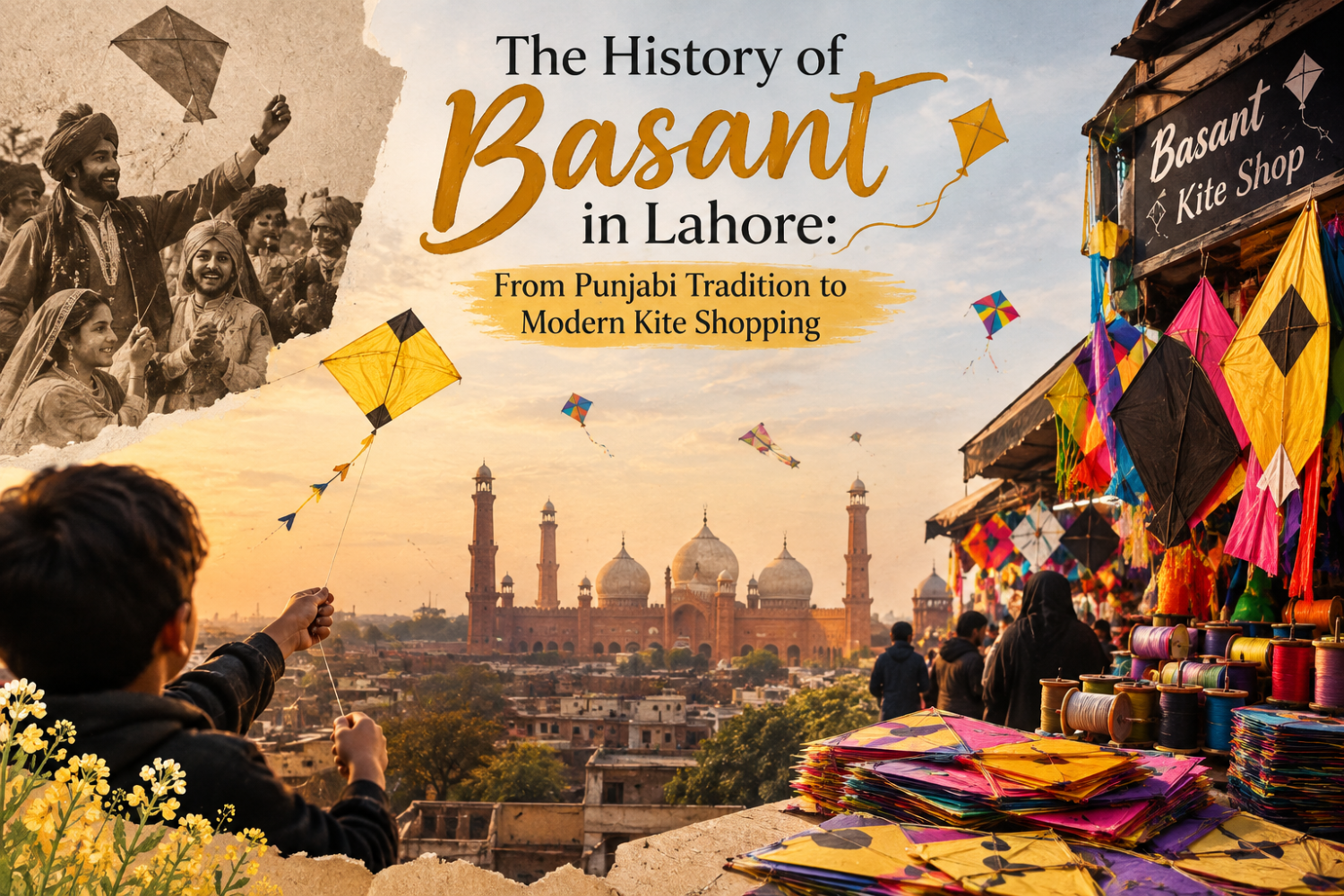
The name Basant immediately brings to mind the colors of Lahore, lively rooftops, yellow clothing, music, and kites filling the sky. The festival was never limited to kite flying alone. It was also connected with the arrival of spring, local traditions, family gatherings, craftsmanship, and the cultural life of the city.
Lahore gave Basant a character of its own. The old city's rooftops, traditional kite markets, skilled craftsmen, and festive gatherings helped shape an experience that people remembered for generations. Although the style of celebration has changed with time, the connection between Basant kites, Punjabi culture, and Lahore's seasonal traditions remains strong.
Today, that heritage can also be seen online. Social media, e-commerce websites, and modern Basant shopping have introduced traditional kite products to a wider and more digital audience.
Basant and the Spring Season in Punjab
In Punjab, Basant has traditionally been associated with the arrival of spring. After the colder months, pleasant weather and fields of yellow mustard flowers brought a fresh and colorful atmosphere to the region.
This is one reason yellow became closely associated with the season. Yellow clothing, decorations, and festive gatherings reflected the natural colors of spring.
The Punjabi Basant festival gradually developed around this seasonal atmosphere. Food, music, social gatherings, and outdoor activities became part of the occasion, while Lahore developed a particularly strong connection with kite flying.
The Rise of Kite Culture in Lahore
Lahore's traditional urban layout provided an ideal environment for kite culture. In many older neighborhoods, houses had flat rooftops positioned close to one another, creating natural spaces for social gatherings.
During Basant, families and friends would gather on rooftops, enjoy food, listen to music, and fly kites. The sky would become filled with different colors, giving entire neighborhoods a festive appearance.
This rooftop culture helped turn kite flying in Lahore from a simple outdoor activity into a shared community experience. People were not only flying kites; they were participating in a social occasion that connected neighbors, relatives, and friends.
Traditional Basant Kites and Local Craftsmanship
Traditional Basant kites were commonly made using lightweight paper and thin bamboo sticks. Although the materials were simple, making a properly balanced kite required skill, patience, and precision.
The bamboo frame needed the right shape, the paper had to be fitted carefully, and the overall weight needed to remain balanced. Even small differences in construction could affect how the kite behaved in the air.
Local craftsmen developed these skills through experience. Some focused on simple traditional designs, while others introduced brighter colors, patterns, and decorative details.
Kite making became an important part of Lahore's seasonal craftsmanship. Kite shops were therefore more than ordinary retail spaces; they also connected customers with the work of local makers.
Popular Kite Styles
Over time, several kite styles became familiar across Lahore and other parts of Punjab.
Traditional names such as Patang, Guddi, Pari, and Tawa became part of the local vocabulary. Each style had its own shape, size, and appearance.
Some people preferred smaller, lighter kites, while others selected larger designs that were more visible in the sky. Paper quality, frame balance, color, and design were often considered before choosing a kite.
This variety added character to traditional kite markets and gave craftsmen room to develop different designs and techniques.
The Social Role of Lahore's Rooftops
Rooftops were at the heart of the Basant experience.
Families gathered together, children learned from older relatives, and friends spent time enjoying the weather. Rooftops were not used only for kite flying. They became temporary social spaces where people shared food, listened to music, talked with neighbors, and enjoyed the atmosphere.
In older parts of Lahore, nearby rooftops often made interaction between households easy. This gave Basant a strong community feel that was difficult to separate from the kite-flying experience itself.
For many people, these rooftop gatherings later became some of their strongest memories of the festival.
Food, Music, and Clothing
The atmosphere of Basant was created by much more than kites.
Traditional meals, snacks, sweets, and drinks were often prepared for family members and guests. Hospitality was a major part of the occasion, and different households had their own ways of preparing for gatherings.
Music added energy to the rooftops. Punjabi songs and popular music helped create a lively atmosphere throughout the day.
Clothing also reflected the season. Yellow outfits were especially common because of their connection with mustard flowers and spring.
Together, food, music, clothing, and outdoor gatherings gave Basant the feel of a complete cultural celebration.
The Experience of Traditional Kite Markets
Before online shopping became common, preparations for Basant usually started in local markets.
Kite shops displayed colorful collections, while customers looked for kites, thread, charkhis, spools, and other accessories.
One of the biggest advantages of shopping in a physical market was the ability to inspect products directly. Buyers could check the paper, frame, size, and color before making a choice.
Experienced shopkeepers also played an important role. They understood different products and could guide customers according to what they were looking for.
These seasonal markets supported local craftsmen and small businesses while adding to the excitement that surrounded Basant.
Thread, Charkhi, and the Complete Kite Setup
A kite was only one part of the overall setup.
Thread provided the connection and control between the flyer and the kite, while a charkhi or spool helped keep the thread organized.
Over time, kite shops offered a wider variety of related products, including:
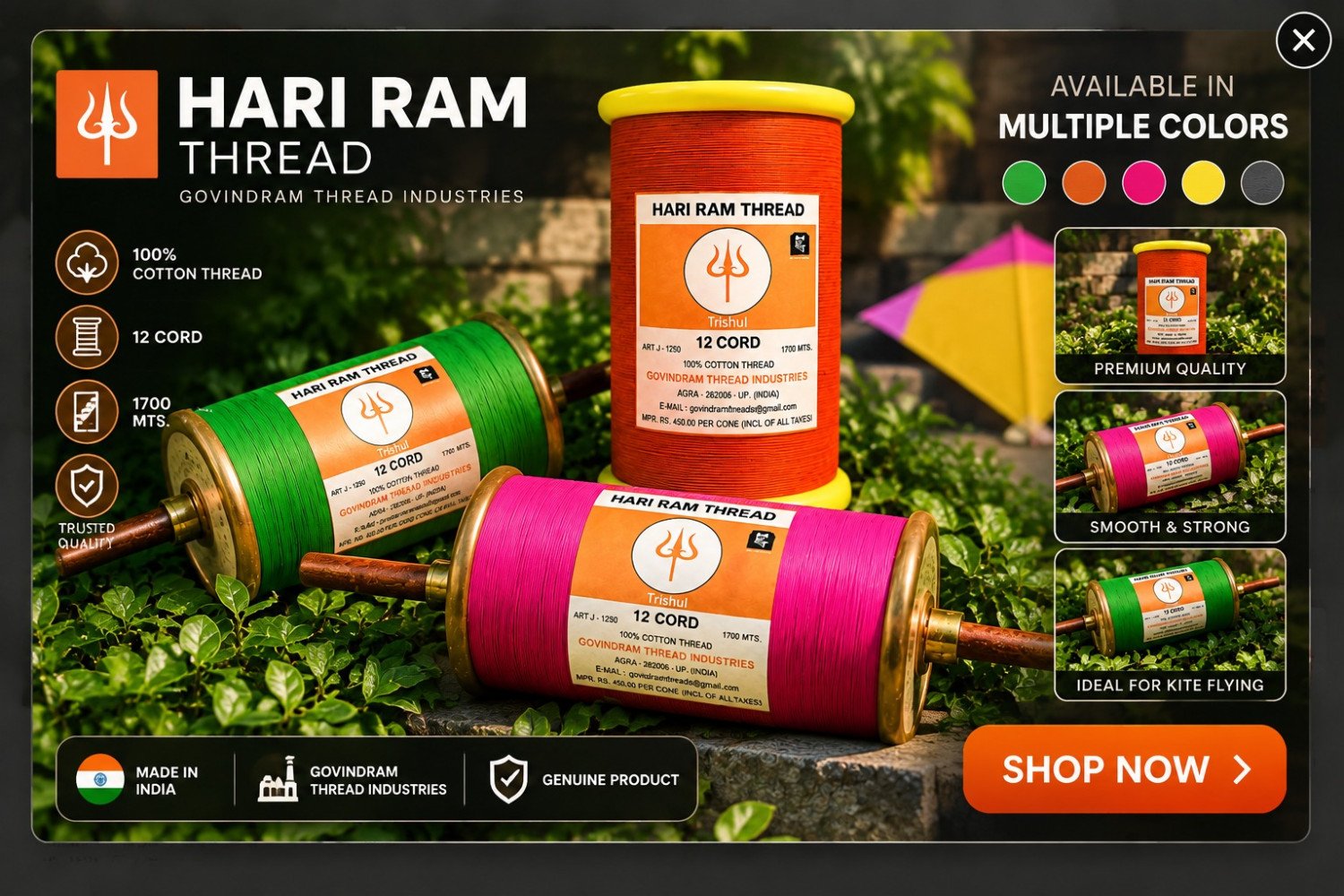
Cotton thread
White thread
Premium thread
Different cord or ply options
Traditional charkhis
Kite bags
Storage and related accessories
This meant customers could prepare a more complete kite-flying setup from one place instead of buying only the kite.
How Basant Changed Over Time
As Lahore developed, the way Basant was experienced also changed.
Urban growth, changing lifestyles, public safety concerns, and regulations affected traditional kite-flying activities. Large-scale celebrations became less common during different periods.
However, the visual and cultural identity of Basant did not disappear.
It continued to appear in photography, fashion, artwork, advertising, and social media. As a result, even younger audiences who did not experience earlier celebrations could still recognize the colors and imagery connected with Basant.
This shows how a tradition can change in practice while remaining present in cultural memory.
Basant in the Digital Age
Technology has created new ways to discover and share traditional culture.
Photos of old Lahore rooftops, colorful kites, traditional clothing, and festival scenes can now reach thousands of people through social media.
For businesses, digital platforms have also created new opportunities. Kite collections, thread options, accessories, product details, and prices can now be presented through websites rather than only physical shops.
This has allowed local products and traditional designs to reach customers beyond the neighborhoods where they were originally sold.
From Traditional Markets to Modern Basant Shopping
The biggest change in modern Basant shopping is convenience.
Customers can now explore kites, threads, spools, and accessories without visiting a physical market. Different products can be compared through photographs, specifications, and descriptions.
A modern kite store may organize its products into categories such as:
Basant kites
Traditional paper kites
Cotton kite thread
White thread
Premium thread
Spools and charkhis
Kite bags
Festival accessories
Gift sets
Clear photography is especially important when shopping online because customers cannot inspect the product in person.
Accurate information about material, size, color, cord type, and packaging can make the online buying experience easier and more professional.
The Role of Website Content
Good website content has also become important for traditional kite businesses.
A product page should offer more than a photograph and price. Customers benefit from clear information about the product's size, material, color, type, and packaging.
Category pages can also guide users. A kite category can introduce different kite styles, while a thread section can explain cotton, white, premium, and other available options.
Blogs add another layer of value. Articles about Basant history, kite culture, product care, traditional craftsmanship, and seasonal traditions can make a website more informative and useful.
Reaching the Punjabi Community Abroad
Digital platforms have also made traditional culture more accessible to Punjabi communities living outside Pakistan.
People living abroad often stay connected with their heritage through food, clothing, music, language, and festivals. Online content gives them another way to discover traditional kite designs and learn about Basant-related culture.
For businesses, this means Lahore's kite heritage can reach an audience far beyond the local market.
A person who has never visited a traditional kite bazaar can still learn about different designs, craftsmanship, and festival traditions through a website or social media page.
Preserving Traditional Craft
Modern shopping does not have to reduce the importance of traditional craftsmanship.
In fact, websites and social media can help document it.
Traditional kite names, handmade designs, charkhi styles, and the stories of local markets can be preserved through photographs, articles, product descriptions, and videos.
This creates a connection between cultural preservation and modern commerce. Traditional skills can remain visible while businesses adopt new ways of reaching customers.
Lahore's Connection with Basant
Lahore remains strongly connected with Basant because the festival represents many different parts of the city's identity.
Old rooftops, colorful kites, traditional markets, music, food, and craftsmanship together create a cultural image that people continue to recognize.
The importance of Basant is therefore not limited to a single activity. It also reflects seasonal traditions, local creativity, community life, and memories shared across generations.
Frequently Asked Questions
1. What are Basant kites?
Basant kites are traditional paper kites available in different shapes, sizes, colors, and styles.
2. Why did kite flying in Lahore become so famous?
Lahore's rooftop culture, traditional kite markets, skilled craftsmen, and Basant celebrations helped make kite flying an important part of the city's cultural identity.
3. What is the Punjabi Basant festival?
It is a traditional spring celebration associated with seasonal colors, food, music, social gatherings, and outdoor activities.
4. How is Basant shopping different today?
In the past, most products were purchased from local markets. Today, customers can also explore kites, threads, spools, and accessories through online stores.
5. Why does Basant still have cultural value?
It continues to represent Lahore's traditions, craftsmanship, seasonal celebrations, local creativity, and shared memories.
Conclusion
Basant has played an important role in Lahore's cultural history. Basant kites, old rooftops, local craftsmanship, traditional markets, food, music, and social gatherings all helped give the festival its distinctive identity.
Today, the methods of celebration and shopping have changed, but the cultural connection remains visible through websites, social media, and modern Basant shopping.
From the traditional Punjabi Basant festival to today's digital shopping experience, Lahore's kite culture continues to represent color, craftsmanship, heritage, community, and memories shared across generations.